Your 2026 Guide to Finding a Minor Emergency Clinic in Sherman, TX
Key Takeaways
- A minor emergency clinic treats non-life-threatening conditions like colds, flu, sprains, minor cuts, and infections, offering a faster and more affordable alternative to the ER.
- Go to an Emergency Room (ER) for severe symptoms such as chest pain, difficulty breathing, major trauma, stroke symptoms, or uncontrolled bleeding.
- Benefits of using a minor emergency clinic in Sherman, TX include significantly lower costs, shorter wait times, and specialized care for common ailments.
- When choosing a clinic, verify the services offered, check your insurance coverage, read patient reviews, and consider the location and operating hours for convenience.
- Prepare for your visit by bringing your photo ID, insurance card, a list of current medications and allergies, and any relevant medical history.
When you or a family member is sick or injured, knowing where to go for medical care is crucial. Not every situation requires a trip to the hospital emergency room. For issues that are urgent but not life-threatening, a minor emergency clinic in Sherman, TX is often the best choice. This guide for 2026 will help you understand when to use these clinics, what benefits they offer, and how to choose the right one for your needs.
These facilities, also known as urgent care centers, bridge the gap between your primary care physician and the emergency room. They provide prompt, walk-in medical attention for a wide range of common illnesses and injuries, ensuring you get the care you need without the long waits and high costs associated with an ER visit.
What Qualifies as a Minor Emergency?
Understanding the distinction between a minor emergency and a major, life-threatening one is the first step in making an informed healthcare decision. A minor emergency is any illness or injury that requires prompt medical attention but does not pose an immediate threat to your life or long-term health. These are conditions that, while uncomfortable and disruptive, can be safely and effectively managed outside of a hospital setting.
The skilled medical teams at a minor emergency clinic sherman tx are equipped to diagnose and treat a broad spectrum of common ailments. If you’re experiencing any of the following, a minor emergency clinic is an appropriate choice:
- Colds, flu, and viruses
- Fever without a rash
- Sore throats, strep throat, and coughs
- Earaches and sinus infections
- Allergies and mild allergic reactions
- Minor cuts, lacerations, and abrasions that may require stitches
- Sprains and strains
- Minor fractures (fingers, toes)
- Urinary Tract Infections (UTIs)
- Nausea, vomiting, and diarrhea
- Minor burns
- Rashes and skin infections
- Insect bites and stings
Additionally, these clinics often provide convenient services like sports physicals, flu shots, and basic lab work, making them a versatile healthcare resource for the Sherman community.
When Should You Go to an ER Instead of a Minor Emergency Clinic?
While minor emergency clinics are incredibly useful, it is critical to recognize the signs of a true medical emergency. Your health and safety are paramount, and certain conditions demand the advanced resources and specialists available only in a hospital emergency room. Going to the ER for these issues is non-negotiable and could be life-saving.
You should call 911 or go to the nearest ER immediately if you or someone else experiences any of the following symptoms:
- Signs of a heart attack, such as chest pain, pressure, or discomfort that spreads to the arms, back, neck, or jaw.
- Signs of a stroke, including sudden numbness or weakness (especially on one side of the body), confusion, trouble speaking or seeing, or a severe headache.
- Severe shortness of breath or difficulty breathing.
- Uncontrolled bleeding.
- Major trauma, such as a serious car accident, a fall from a significant height, or a severe head injury.
- Loss of consciousness or seizures.
- Severe abdominal pain.
- Poisoning or suspected overdose.
- High fever with a stiff neck, mental confusion, or in an infant.
To help clarify the decision-making process, here is a simple comparison of where to seek care.
| Condition | Minor Emergency Clinic | Emergency Room (ER) |
|---|---|---|
| Fever | Yes (Low-grade, or in older children/adults without other severe symptoms) | Yes (High fever in an infant, or fever with rash, stiff neck, or confusion) |
| Cuts | Yes (Minor cuts that may need a few stitches) | Yes (Deep wounds with uncontrolled bleeding or embedded objects) |
| Breathing Issues | Yes (Mild, related to a cold or allergies) | Yes (Severe difficulty breathing, shortness of breath) |
| Head Injury | No | Yes (Any injury involving loss of consciousness, confusion, or severe impact) |
| Broken Bones | Yes (Simple fractures like fingers or toes) | Yes (Obvious deformities, bone protruding through skin, major bones like a leg or arm) |
For more detailed guidance on medical emergencies, the American College of Emergency Physicians provides valuable public resources. Trust your instincts; if a situation feels life-threatening, it is always better to be safe and go to the ER.
What Are the Benefits of Choosing a Minor Emergency Clinic in Sherman, TX?
Opting for a minor emergency clinic for non-critical issues offers several significant advantages for patients. In 2026, these benefits are more important than ever as people seek efficient, high-quality, and affordable healthcare solutions.
Cost Savings
One of the most compelling reasons to choose a minor emergency clinic is the cost. A visit for a similar condition will almost always be substantially less expensive than a trip to the ER. Co-pays are typically lower, and the overall cost of treatment for the uninsured is much more manageable. This is because ERs are staffed and equipped to handle life-and-death situations, which carries immense overhead reflected in their pricing.
Reduced Wait Times
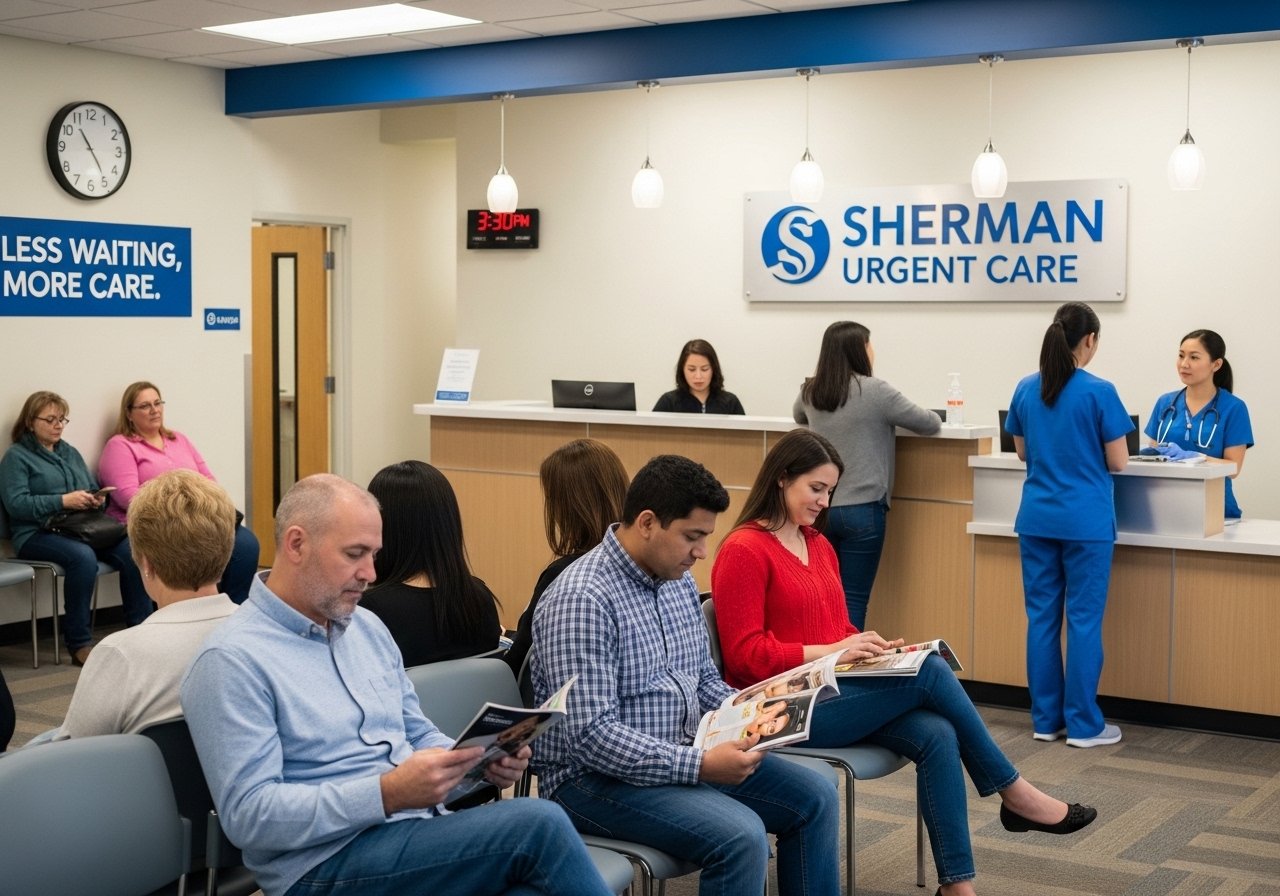
Emergency rooms triage patients based on the severity of their condition. This means if you arrive with a sprained ankle, you will be waiting behind patients with chest pain, stroke symptoms, or major trauma. Wait times in an ER can easily stretch for hours. In contrast, the average wait time at a minor emergency clinic in Sherman, TX is often less than an hour, allowing you to get diagnosed, treated, and back to your life much faster.
Convenient Access to Care
These clinics are designed for convenience. Most operate on a walk-in basis, so you don’t need an appointment. Many, like Sherman Medical, offer extended evening and weekend hours, which is ideal for when your primary care doctor’s office is closed. Their locations are typically in accessible retail areas, making them an easy stop for immediate health concerns.
Specialized Care for Non-Life-Threatening Issues
The medical staff at a minor emergency clinic are experts in treating common illnesses and injuries. Their entire workflow is optimized for these conditions. This focus allows them to provide efficient and effective care without the distractions of a high-acuity ER environment. You receive attentive care from providers who see and treat your specific problem every single day.
How Do I Find the Best Minor Emergency Clinic in Sherman, TX?
With several options available, finding the right clinic for your family is important. Taking a few minutes to research your options before you need them can save you stress when an urgent medical need arises. Here are key factors to consider when you want to find the best minor emergency clinic in Sherman, TX.
Check for Services Offered
Not all clinics offer the same range of services. Before you go, visit the clinic’s website or call ahead to ensure they can treat your specific condition. Look for clinics that have on-site X-ray capabilities for injuries and lab services for diagnosing illnesses like strep throat or the flu. A comprehensive provider like Sherman Medical lists its services online, making it easy to see if they are a good fit for your needs.
Verify Insurance Coverage
To avoid unexpected bills, confirm that the clinic is in-network with your health insurance plan. Most clinics list the insurance providers they accept on their website. It is also a good practice to call the number on the back of your insurance card to double-check coverage. If you are uninsured, inquire about their self-pay rates.
Read Patient Reviews and Testimonials
Online reviews can provide valuable insight into the patient experience. Look for comments about wait times, the cleanliness of the facility, and the professionalism and friendliness of the staff. Consistently positive reviews are a good indicator of a well-run clinic that prioritizes patient care.
Consider Location and Hours
In a minor emergency, convenience is key. Choose a clinic that is easy to get to from your home or work. Check their hours of operation, including evenings and weekends, to ensure they will be open when you are most likely to need them. A centrally located minor emergency clinic sherman tx with extended hours offers the greatest flexibility.
What Should I Expect During My Visit in 2026?
A visit to a minor emergency clinic is a straightforward process designed for efficiency. While each clinic may have slight variations, the general flow of a visit remains consistent. Knowing what to expect can help make your experience smoother.
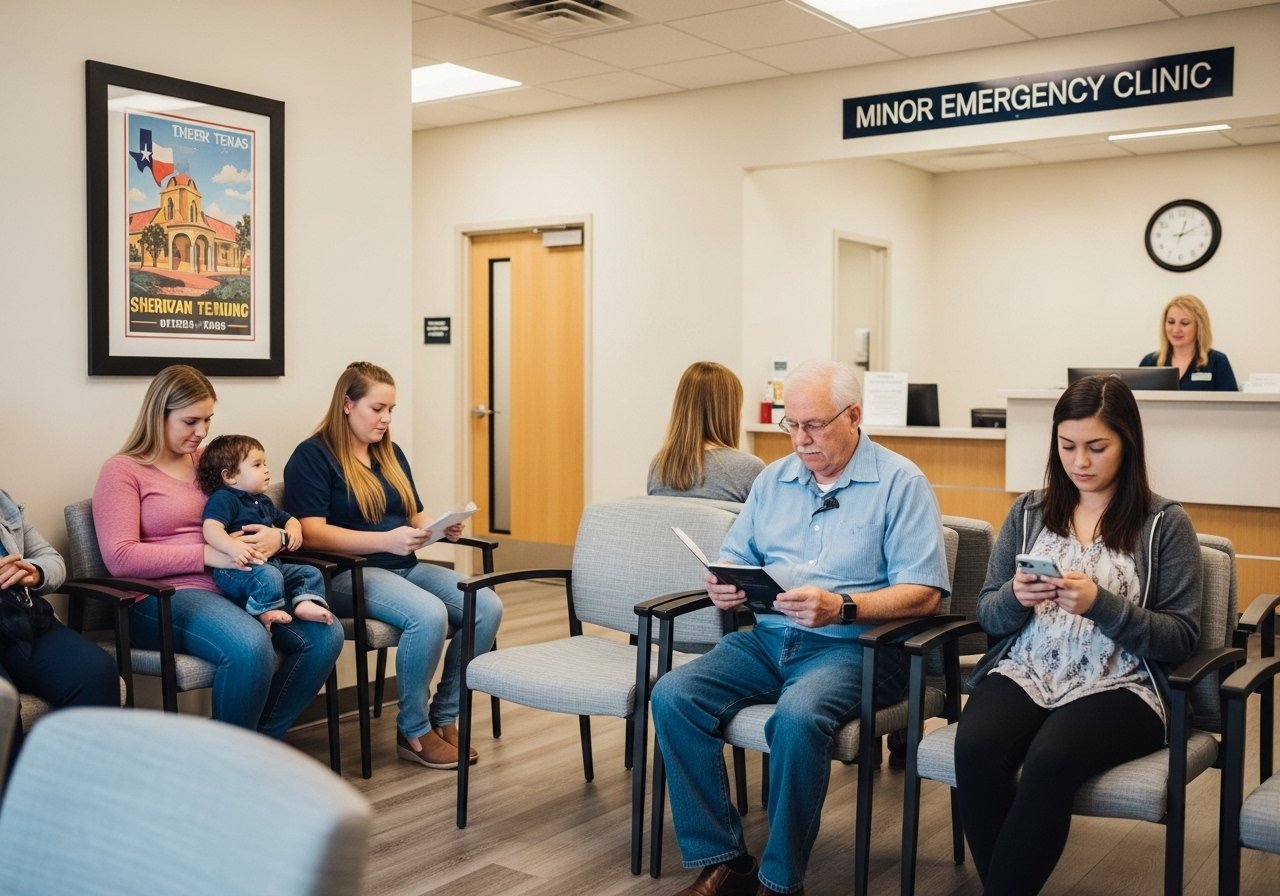
The typical patient journey includes:
- Check-In: You will be greeted by front desk staff who will ask you to fill out patient forms. By 2026, many clinics offer online pre-registration to speed this up. You will need to provide your ID and insurance information.
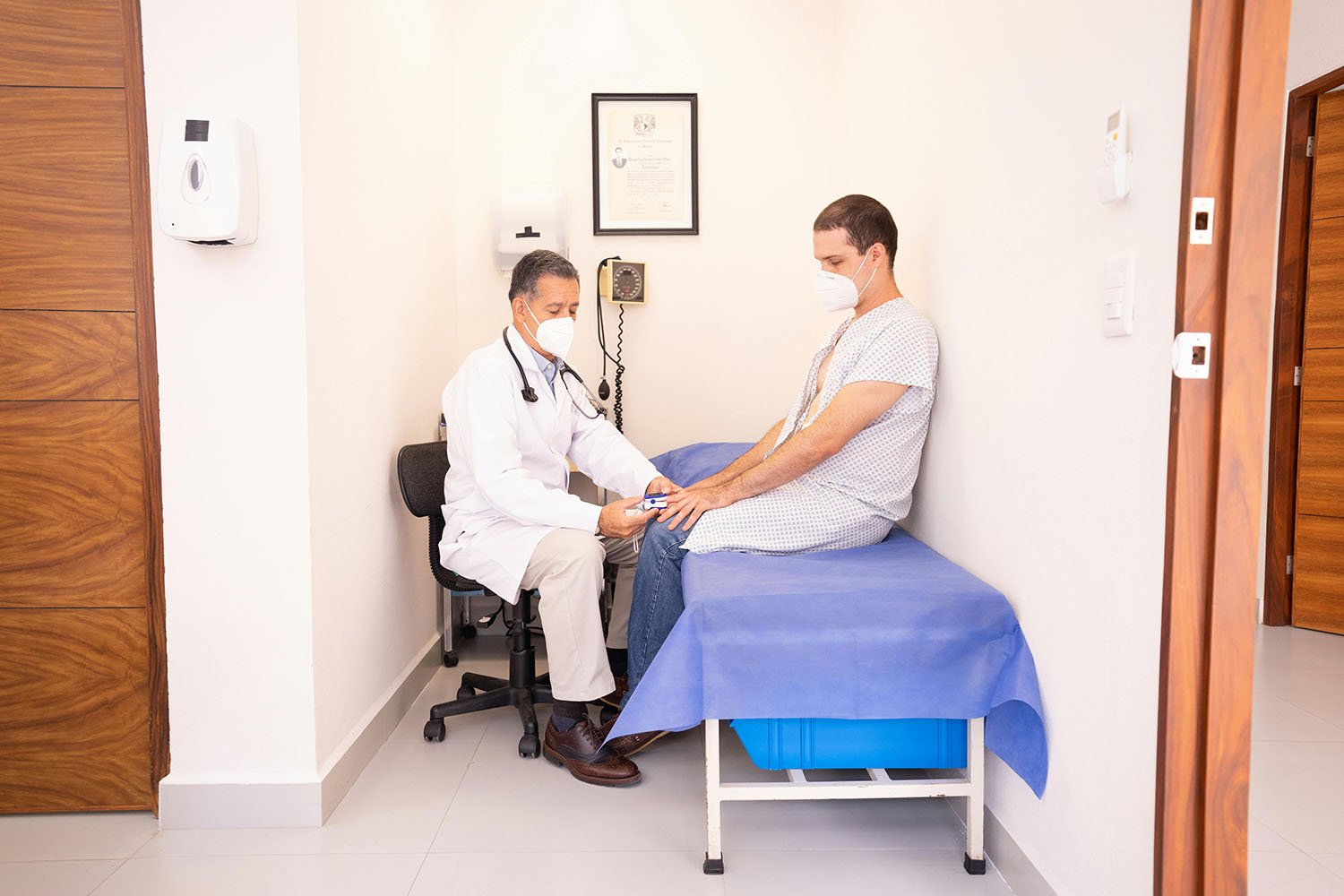
- Triage: A nurse or medical assistant will call you back to a private room to take your vital signs (blood pressure, temperature, heart rate) and ask about your symptoms and medical history.
- Provider Consultation: A physician, nurse practitioner, or physician assistant will then see you. They will perform a physical examination, discuss your symptoms in detail, and may order diagnostic tests like a rapid strep test or an X-ray.
- Diagnosis and Treatment: Once a diagnosis is made, the provider will explain the condition and recommend a treatment plan. This may include a prescription, stitches for a cut, or instructions for at-home care.
- Discharge: You will receive discharge papers summarizing your visit, diagnosis, treatment, and any follow-up instructions. Prescriptions can be sent electronically to your preferred pharmacy.
How Can I Prepare for My Visit to a Minor Emergency Clinic?
A little preparation can make your visit go as smoothly as possible, ensuring the medical team has all the information they need to provide the best care. Before heading to a minor emergency clinic sherman tx, try to gather the following items:
- Photo ID and Insurance Card: These are essential for registration.
- List of Medications: Bring a complete list of all prescription medications, over-the-counter drugs, and supplements you are currently taking, including dosages.
- List of Allergies: Note any known allergies to medications or other substances.
- Relevant Medical History: Be prepared to discuss any chronic medical conditions, past surgeries, and your primary care physician’s contact information.
- Payment Method: Have a way to pay for your co-pay or the cost of the visit if you are uninsured.
Being prepared helps the clinic’s staff process your information quickly and allows the medical provider to make a more accurate diagnosis. For general health information and preparedness, resources from the Centers for Disease Control and Prevention (CDC) can be very helpful.
In conclusion, when you need prompt medical attention for a non-life-threatening issue in 2026, a minor emergency clinic is your best resource. By understanding their services and benefits, you can make a smart choice that saves you time, money, and stress, all while receiving the high-quality care you deserve.